


What Tactical Advantage Is—and How to Create It
Article by: AP @Tradecraft USA
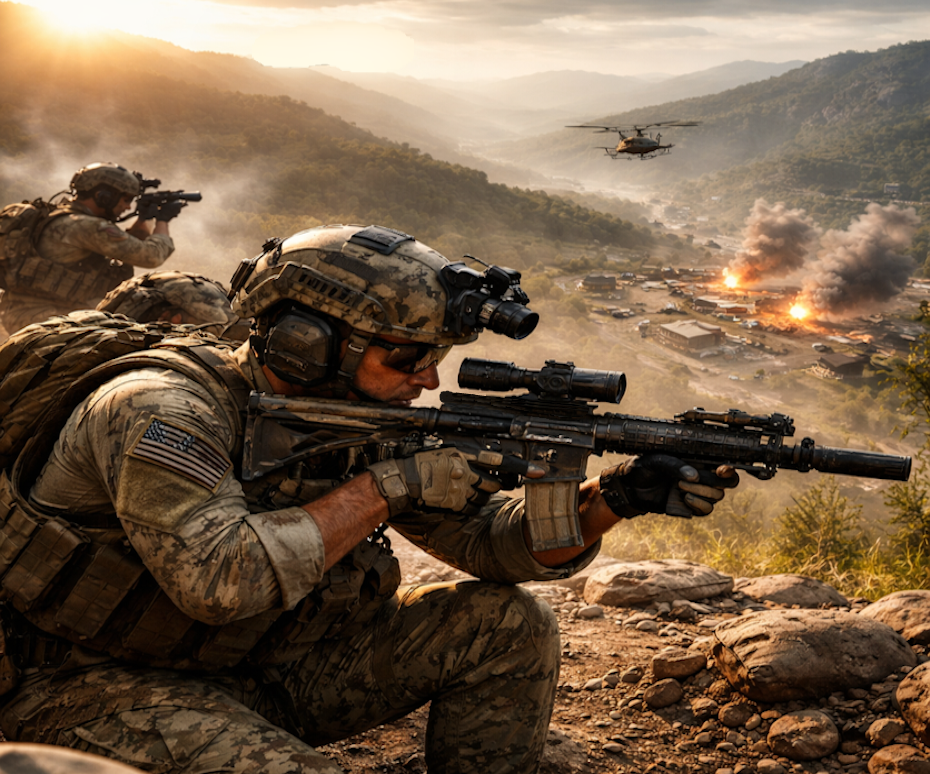
When people hear the term tactical advantage, they often think of military or law-enforcement circles. In reality, the concept applies anywhere decisions and resolute action matter—sports, business, or high-stress problem-solving. At its core, tactical advantage is about positioning yourself to win before the decisive moment arrives.
Defining Tactical Advantage
A tactical advantage is any condition that increases your likelihood of success relative to an opponent, obstacle, or challenge. It can be physical, mental, informational, or positional. Sometimes it’s obvious—better terrain, superior equipment, better training, or more time. Other times it’s subtle, like sharper situational awareness or a calmer mindset under pressure. The key point is this: tactical advantage doesn’t rely on luck; it’s created through deliberate choices.
Why Tactical Advantage Matters
Tactical advantage reduces uncertainty and risk. Instead of reacting emotionally or improvising under pressure, you’re operating from a position of control. This allows you to conserve energy, avoid unnecessary mistakes, and dictate the tempo of the situation. In real-world terms, tactical advantage often means the difference between scrambling to survive and confidently executing a plan.
Just as importantly, it compounds. Small advantages—better preparation, cleaner communication, sharper timing—all build upon each other so that the outcome starts to become more predictable rather than hopeful.
How Tactical Advantage is Generated
Tactical advantage starts with awareness. You must understand the environment, the people involved, and your own capabilities. From there, it’s built through preparation: training under realistic conditions, planning for contingencies, and identifying likely decision points in advance.
Next comes positioning—placing yourself where you have options and denying them to the other side. This might be physical position, information control, or psychological readiness. Finally, discipline ties it all together. The ability to stay focused, adhere to your process, and avoid ego-driven decisions preserves the advantage you’ve worked to create.
Conclusion
In short, tactical advantage isn’t about advanced techniques or high-tech gear. It’s more about consistent, intelligent decision-making. It’s developed long before pressure shows up—through preparation, awareness, and disciplined execution—and it’s protected by staying calm when others rush or react emotionally. When you understand how to create and maintain advantage, you stop relying on chance and start shaping outcomes on your terms. Whether in training, competition, or real-world problem solving, those who habitually seek tactical advantage operate with greater confidence, efficiency, and control—because they’ve done the hard work before the moment demands it.
**Note – If you would like to be notified when the next article is published, type "NOTIFY ME" in the subject line and email us at admin@tradecraftusa.com**