


Real-world Defensive Scenarios: Why a Well-Hidden Handgun May Be the Only Advantage You Have
Article by: AP @Tradecraft USA
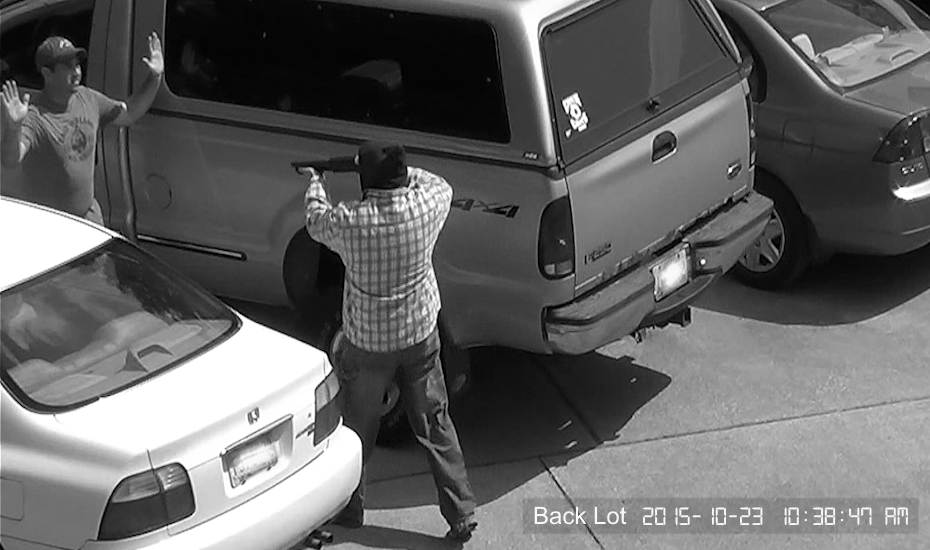
In real personal defense encounters, there is almost always an imbalance. The attacker chooses the time, the place, and the method. You begin the encounter behind the curve—often before you even realize it has started. In this type of environment, tactical advantage rarely comes from strength, speed, or the fact that you’re carrying a concealed handgun. Instead, it comes from decision space, surprise, and initiative. The critical factor is not the concealed firearm itself, but that it is well-hidden and therefore absent from the attacker’s equation.
Decision Space: Influencing the Pace of the Encounter
Violence compresses time. Threat-based encounters tend to accelerate rapidly once resistance is anticipated or perceived. The moment an attacker believes you might fight back or disrupt their plan, their behavior often becomes more urgent. Options narrow, pressure increases, and decisions are forced sooner than you may be ready to make them. Time—your most valuable resource—contracts.
Effective concealment helps prevent this acceleration from occurring. When an attacker perceives you as unarmed, compliant, or insignificant, they are more likely to slow down and operate with confidence rather than haste. That perceived "lack of threat" buys you time to observe, orient, decide, and act within the operational boundaries of the situation you’re facing. By keeping your capabilities hidden, you avoid being pushed into premature decision-making and retain control over when and how you respond. This preserved decision space—sometimes measured in seconds—may be the only tactical advantage you have when everything else is stacked against you.
The Element of Surprise: Controlling Information
In personal defense, surprise is not about shock value or large scale effects—it is about information control. Whoever understands the situation more completely holds the advantage. When your defensive capability remains concealed, critical information stays one-sided. The attacker operates under the assumption that they fully understand the environment, and their confidence, timing, and decisions are shaped by that incomplete picture.
Once capability is revealed, it becomes something that can be planned around or adapted to. Effective concealment prevents that adjustment from happening too early. Rather than relying on visible signaling to deter an attack (e.g., openly carrying a firearm, alpha-male behavior, posturing), concealment ensures your capabilities are never factored into the attacker’s calculations until you decide to reveal them. This maintained imbalance—brief but decisive—is what turns surprise into a functional advantage rather than a fleeting moment.
Seizing Initiative: Determining When the Situation Changes
Initiative belongs to whoever decides when an encounter shifts and how it unfolds afterward. When an attacker believes you may possess a viable defensive capability, that shift could be forced early—or prevented altogether—as they adjust their actions to maintain control. When you are perceived as passive or non-threatening, initiative often remains unclaimed and available.
Concealment preserves your ability to decide exactly when the right moment to take action is. It allows an encounter to progress more slowly or remain static until you choose to change its direction. That transition—from reacting to events as they happen to acting with deliberate intent—is what seizing the initiative looks like in real life. While decisiveness and commitment matter, it is often the timing of the action, not its intensity, that determines the outcome.
Always Preserve Your One True Advantage—Remaining Unaccounted For
The primary advantage of concealment is not raw force; it is ambiguity. As long as your capabilities remain unknown, an attacker is forced to operate with incomplete information. That uncertainty creates the space you need to take action on your terms rather than theirs. In encounters where you start behind the curve, remaining an unknown variable may be the most powerful—and sometimes the only—advantage you have. Guard it. Preserve it. Use it.
**Note – If you would like to be notified when the next article is published, type "NOTIFY ME" in the subject line and email us at admin@tradecraftusa.com**